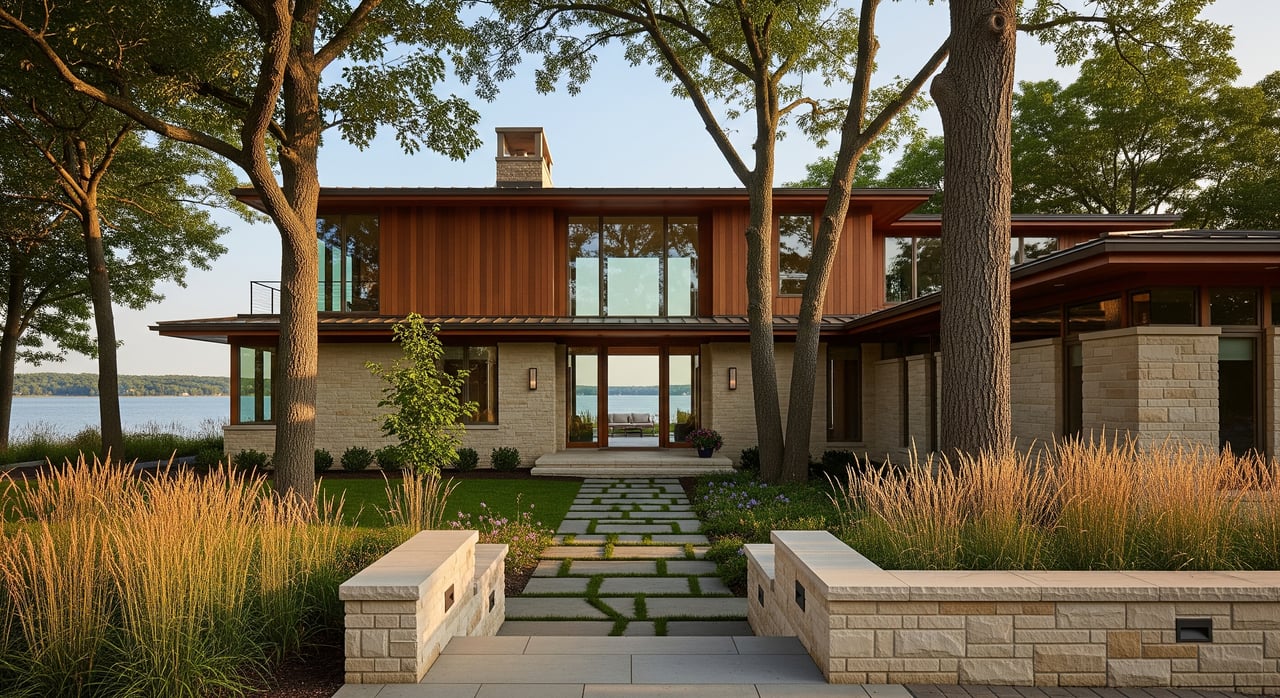
Bishops Bay Architectural Review Guide for Home Buyers
Planning a custom build or exterior update in Bishops Bay? Before you choose a lot or make an offer on a resale, you should understand how architectural review works here in 53562. It is a routine step in planned communities, yet it affects your design options, your timeline, and your budget. In this guide, you will learn what is reviewed, how long it takes, what it costs, and how to plan approvals into your purchase and project schedule. Let’s dive in.
Architectural review in Bishops Bay is grounded in recorded CC&Rs and Design Guidelines that give authority to a homeowners association and an Architectural Review Committee or Board. The goal is to preserve a cohesive neighborhood character, protect property values, and coordinate site issues like drainage and tree preservation. These standards can be more restrictive than city building codes, especially on materials, colors, and siting.
Approval by the HOA or ARC is separate from City of Middleton permits. You still need municipal approval for building, electrical, plumbing, zoning, and erosion control. Treat the HOA and the city as two distinct tracks and plan time for both in your schedule.
Before you commit to a design or offer, request the CC&Rs, Design Guidelines, application packet, and current fee schedule from the seller, listing agent, or HOA manager. These documents are your roadmap.
Most exterior work is subject to review. Expect to submit plans for:
Your plans are typically evaluated for:
Be ready to include a complete package so the initial check goes smoothly:
Bishops Bay applications often follow a predictable rhythm. The initial check to confirm your submission is complete can take a few days to 1 to 2 weeks. The formal review phase commonly takes 2 to 6 weeks depending on the committee schedule, project complexity, and whether meetings are monthly. If revisions are requested, each round can add 1 to 4 weeks based on how quickly your team responds.
Final sign-off occurs after you submit any required revisions, deposits, and proof of municipal permits. City of Middleton permits follow a separate timetable that varies with project scope. Build both tracks into your plan.
For custom homes, ARC or ARB approval is an early gating item before you apply for city permits. Schedule for at least one full ARC review cycle plus time for revisions. Straightforward projects often need 4 to 8 weeks, while complex homes or site-sensitive work can require more.
For resales, if you plan exterior changes right after closing, expect to secure ARC approval before work begins. If the seller already obtained approvals, verify that they are still valid and whether they transfer with the property or require re-approval.
Architectural review can affect your budget beyond construction costs. Common items include:
Design changes to satisfy ARC comments may raise soft costs, such as added design time or upgrades to meet a materials palette. Tree protection or mitigation can add site costs. Erosion and stormwater measures may be required by both the HOA and the city. For custom builds, plan a contingency across soft and hard costs, often in the 5 to 15 percent range, and confirm a project-specific figure with your builder and architect.
Before you finalize your budget, verify the fee schedule, whether licensed contractors are required, any bonds or restoration deposits, and time limits for starting and finishing work.
If you intend to modify exteriors after closing, add an Architectural Approval Contingency to your offer. Make written ARC approval by a certain date a condition of purchasing the property. If you need approvals before closing, specify who submits plans, who pays fees, and what happens if approval is denied.
If you plan to rely on prior approvals, require copies of the documents and written confirmation that they are valid and transferable. Be clear about responsibilities if any re-approval is needed.
Common risks include starting exterior work without written approval, relying on verbal assurances or expired approvals, incomplete HOA disclosure, or unexpected requirements for tree removal and grading. Community character can also evolve as new phases are developed, which may influence standards.
To mitigate these risks, obtain written approvals and the full HOA packet as part of due diligence. Engage a local architect or builder with Bishops Bay experience who understands committee preferences. Build adequate time and budget contingencies into your offer and schedule. If your design is borderline, request a pre-submission conversation to surface issues early.
Architectural review should support your vision, not slow it down. With local experience and a consultative approach, you can line up documents, approvals, and timelines in the right order and protect your budget along the way. If you are weighing custom build versus resale in Bishops Bay, connect with Susan Sutton to talk through options, review documents, and align your offer strategy with the approval path. Request a Complimentary Home Valuation & Concierge Plan to get started.

Don't navigate the world of real estate alone. Let Susan Sutton be your advocate on the path to finding your dream home or selling your current property. Susan is dedicated to making your real estate journey seamless and rewarding.