Lake Mendota Home Styles and Design Trends
Wondering what gives Lake Mendota homes their distinct character? Around this shoreline, architecture is shaped as much by the land and water as by any one era or designer. If you are buying, selling, or updating a home near Lake Mendota, understanding the area’s architectural mix can help you better read value, style, and long-term appeal. Let’s dive in.
Lake Mendota is Madison’s largest and northernmost lake, and the University of Wisconsin–Madison campus fronts about 4.5 miles of its shoreline. That setting has helped create a view-driven housing pattern where topography, mature trees, and water orientation matter just as much as the structure itself.
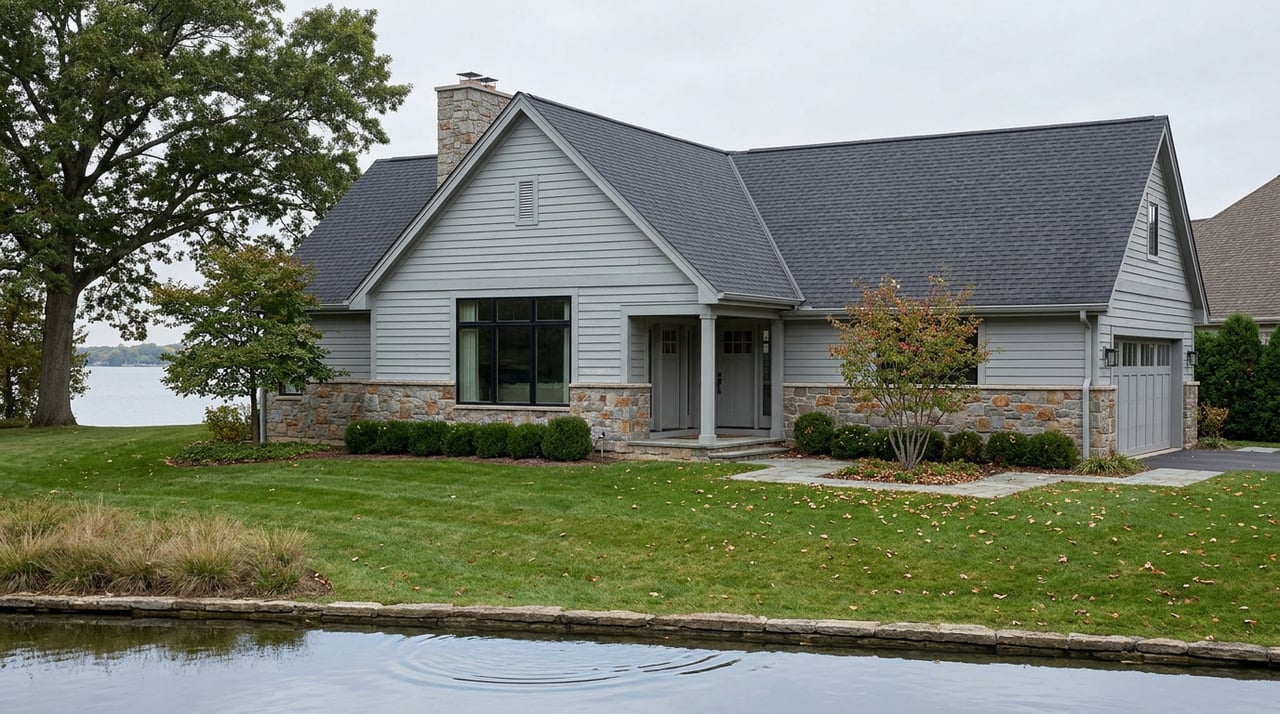
In practical terms, many of the area’s most memorable homes do not try to overpower the lot. Instead, they work with the slope, frame lake views, and use materials and massing that feel connected to the landscape. That site-sensitive approach remains one of the clearest design threads around the lake.
Lake Mendota did not develop with one uniform look. Early shoreline neighborhoods evolved over decades, which is why you see a rich mix of historic and modern styles rather than a single architectural identity.
In the College Hills and Shorewood Hills area, development began with a 1913 plat on farmland known for wide views of Lake Mendota, Picnic Point, and the UW campus. The earliest homes there included Prairie School, Arts & Crafts, and American Craftsman designs. Later, revival styles became more common, followed by a shift toward contemporary design after World War II.
Other early lakeshore neighborhoods along Lake Mendota also built a strong visual identity through carefully composed street fronts and architect-designed homes. Historic accounts of the Prospect and Castle Place area identify Tudor Revival, Georgian Revival, Craftsman, Prairie, and Colonial Revival among the styles built by prominent Madison residents in the early 20th century.
Prairie School is one of the most important legacy styles around Lake Mendota. Its strong horizontal lines fit naturally with shoreline lots, especially where homes sit on wooded or sloping ground.
You can often spot Prairie School homes by features like low, long rooflines, ribbon windows, belt courses, and the use of wood, brick, and stucco. The style tends to emphasize natural materials as part of the home’s overall composition, not just as decoration.
Around Lake Mendota, Prairie design often feels especially at home because it visually hugs the site. On hillside lots facing the water, that can create a quieter, more grounded relationship between house and landscape. For buyers, that often translates into a home that feels integrated rather than imposed.
Craftsman homes and bungalows are another important part of the lake’s historic vocabulary. These houses tend to feel approachable, detailed, and closely tied to the lot.
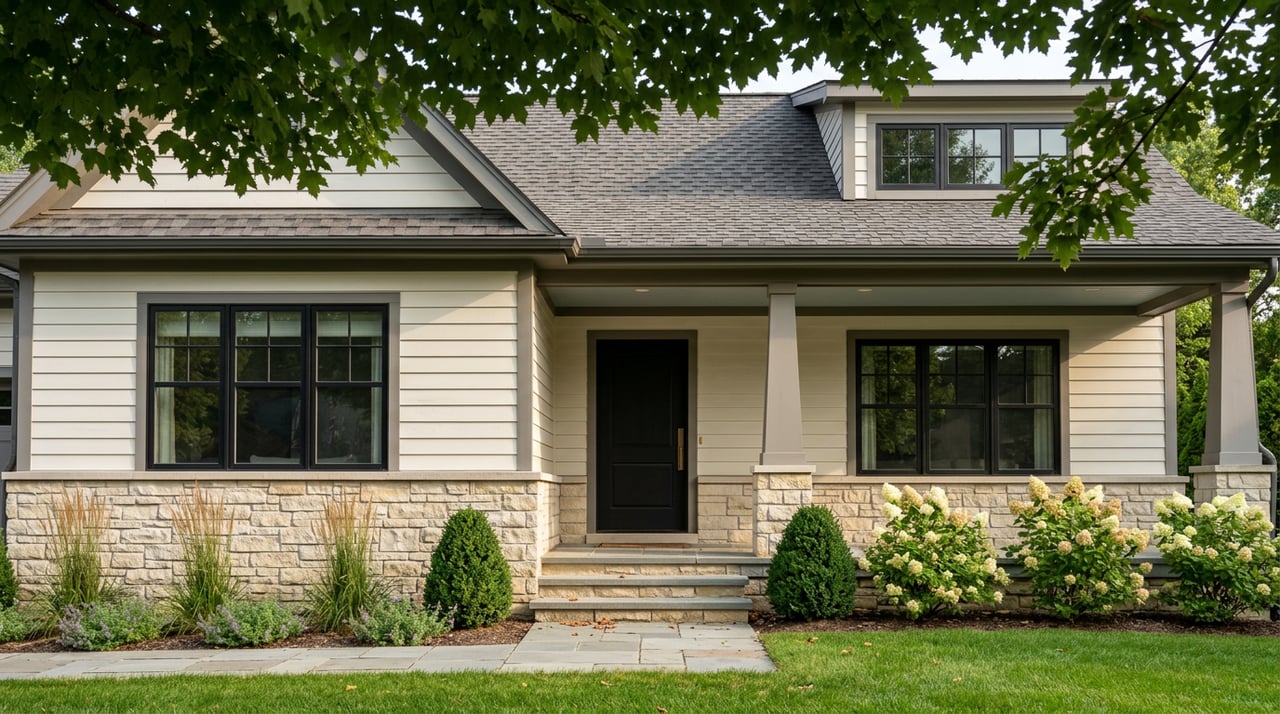
Common features include broad gable or hipped roofs, wide eaves, exposed rafters or decorative brackets, open porches, and natural-looking materials. Bungalows often appear low and compact, with the porch serving as a central visual feature.
On older Lake Mendota lots, those traits work especially well. Instead of competing with the shoreline, Craftsman and bungalow homes often keep a lower visual profile and a stronger sense of connection to trees, yard, and lake views.
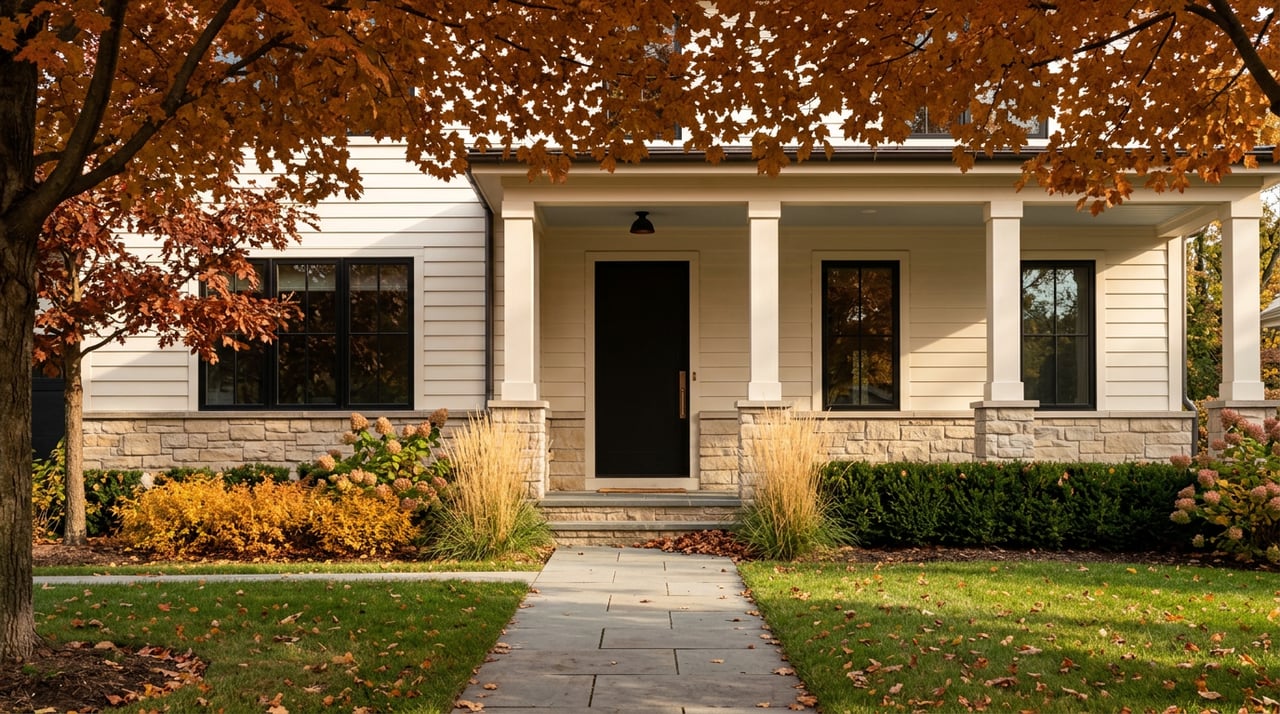
Not every Lake Mendota home leans informal or landscape-forward. Colonial Revival and related period-revival styles add a more formal, symmetrical side to the shoreline mix.
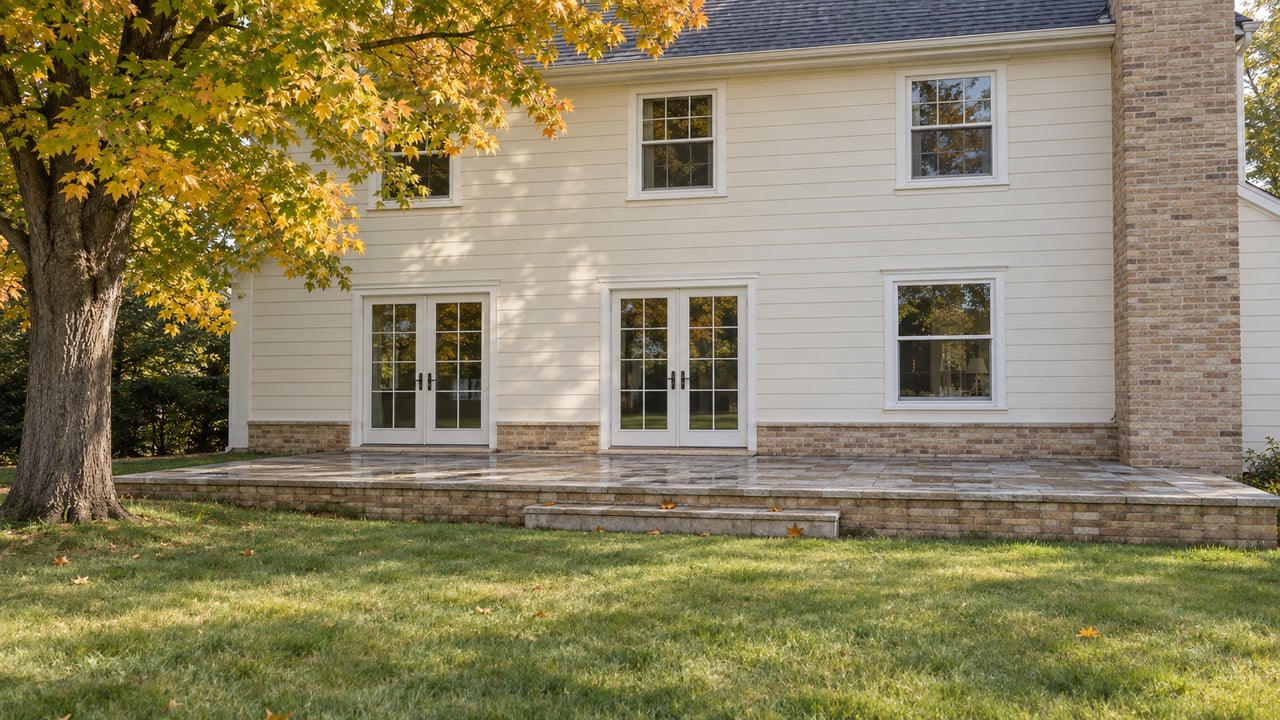
These homes often feature balanced facades, gable, hip, or gambrel roofs, and entry details such as columns, transoms, and sidelights. Around the lake, this style often appears in early-20th-century and interwar houses that were designed to feel elegant, established, and substantial.
For sellers, these homes often appeal to buyers who appreciate classic structure and recognizable architectural detail. For buyers, they can offer a different kind of lake presence, one rooted less in rustic informality and more in proportion and refinement.
One of the most interesting things about Lake Mendota is how eclectic some shoreline areas became over time. Maple Bluff is a strong example of this layered character.
Historic sources note Prairie, Shingle, Mediterranean Revival, and French Norman Revival homes along Cambridge Road in Maple Bluff. Property records in the village also show examples of Spanish or Mediterranean, English Revival, Colonial or Georgian Revival, International Style, and Contemporary homes.
That variety means some parts of the Lake Mendota shoreline read less like a single-style district and more like a collection of distinctive individual homes. If you are shopping in these areas, it helps to evaluate each property on its own architectural integrity, siting, and updates rather than expecting a consistent neighborhood style.
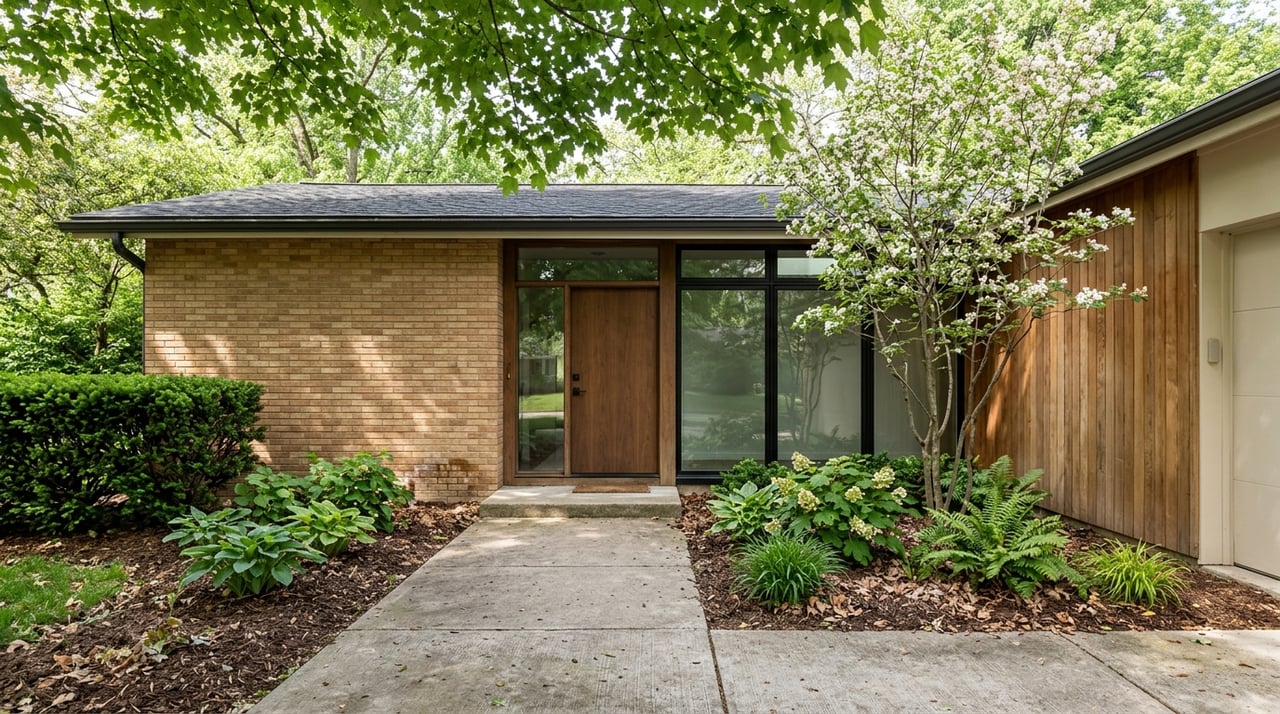
Postwar modernism is another major part of Lake Mendota’s architectural story. Shorewood Hills and College Hills, in particular, show a strong concentration of mid-century and modern residential design.
The Shorewood Historic District includes Colonial Revival, Modern Movement, and Tudor Revival styles dating from 1924 to 1963. College Hills includes International Style, Tudor Revival, Prairie School, and Colonial Revival, and the area is noted for having the largest concentration of modern residential design in the Madison area.
Modern Movement homes are typically long and low, with large expanses of glass, floor-to-ceiling windows, natural textures, and an emphasis on blending the building into its surroundings. Ranch homes share some of that same mid-century logic, especially in their low profile and more open living patterns.
Lake Mendota also has a notable Wright connection. The Pew House on Lake Mendota Drive is a Frank Lloyd Wright Usonian design, reinforcing how deeply modern residential ideas are woven into the area’s architectural identity.
Today’s most relevant design trends around Lake Mendota are less about chasing a look and more about strengthening the relationship between home, light, and landscape. Recent trend reporting points to a shift away from cool minimalism and toward warmth, texture, and calm.
That includes natural materials, wood-rich interiors, tactile finishes, warm earthy palettes, and spaces that feel collected rather than overly sleek. In a lakeside setting, those choices often support what buyers already want from the property: comfort, light, and a sense of retreat.
Another key trend is indoor-outdoor continuity. Large windows, skylights, screened or glassed-in porches, and outdoor spaces that function as true extensions of the interior are gaining traction. Outdoor kitchens and fire features are also becoming more common as homeowners treat exterior space as part of everyday living rather than a seasonal extra.
For many Lake Mendota homes, the best updates do not erase the original architecture. They refine it.
The strongest renovations often preserve the home’s basic silhouette, improve transparency toward the water, and introduce warmer, more tactile materials. That approach tends to work especially well for Prairie, Craftsman, ranch, and modern homes, where horizontality and landscape connection are already central to the design.
If you are preparing to sell, this matters. Buyers often respond well to updates that feel intentional and in character with the home, rather than renovations that fight the original design language. Thoughtful presentation can make a home feel both current and rooted.
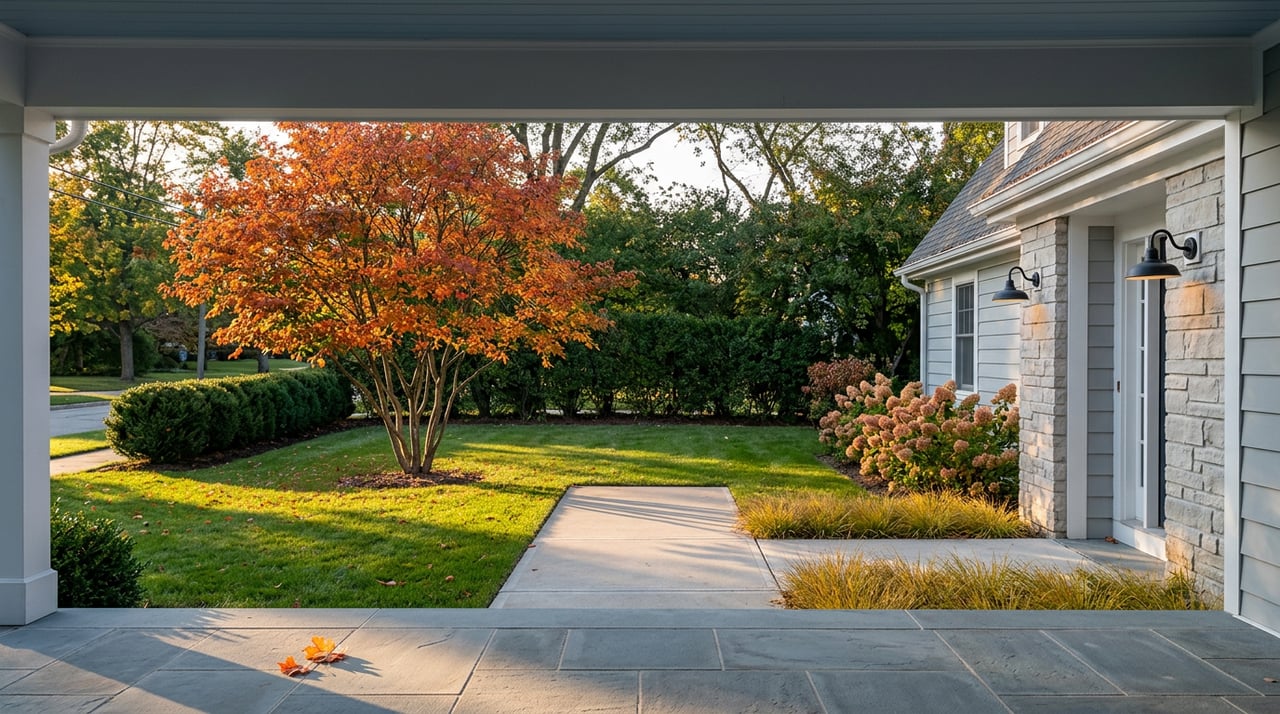
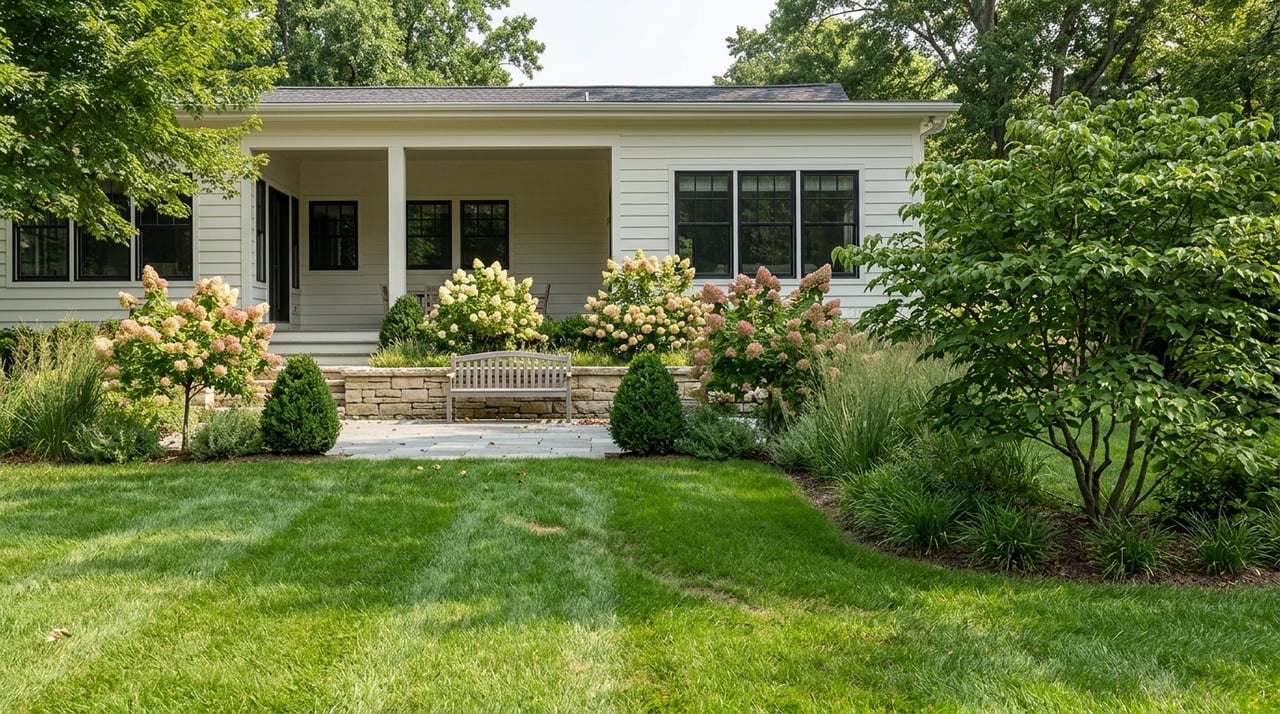
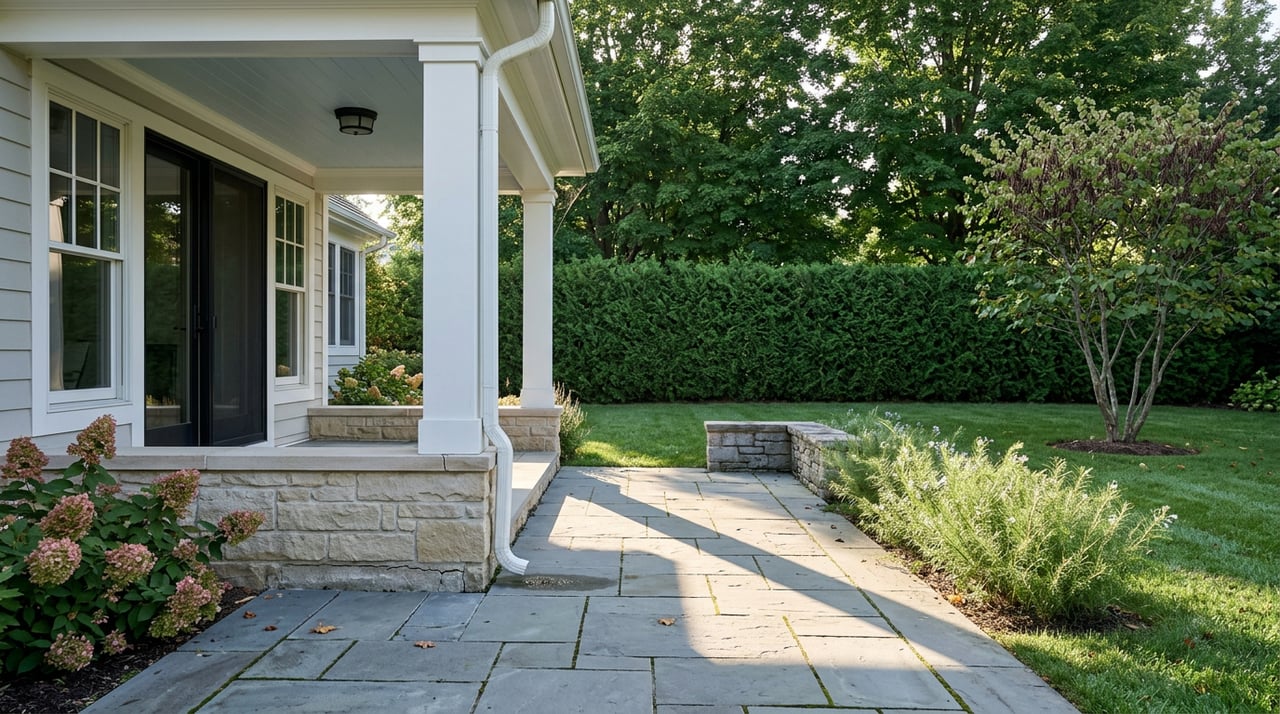
Landscape design is also moving in a direction that fits Lake Mendota well. Current trends point to growing interest in permeable patios and native landscapes.
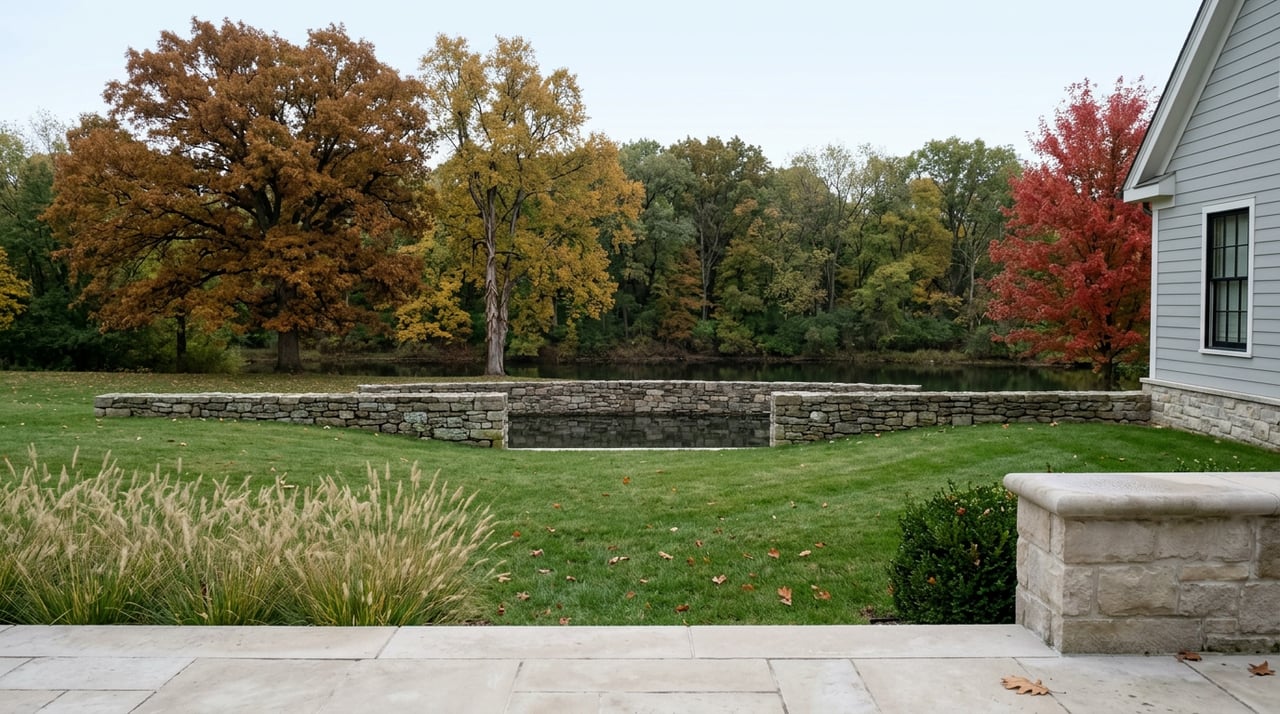
For shoreline properties, that often translates into softer hardscape, layered planting, and outdoor areas that feel visually connected to the water rather than sharply separated from it. These choices can also support a calmer and less conspicuous relationship between the house, yard, and shoreline.
From a design standpoint, the goal is often to make the exterior feel settled into the site. That is very much in keeping with Lake Mendota’s long-standing architectural pattern.
Design choices near Lake Mendota are not only about taste. They are also shaped by shoreland regulations.
According to Dane County, lands within 300 feet of a navigable waterway fall within the shoreland zone. Permits may be needed for new structures, structure expansions, impervious-surface changes, and some vegetation removal within 35 feet of the ordinary high-water mark.
Wisconsin DNR states that the statewide minimum standard is a 75-foot setback from the ordinary high-water mark for buildings and structures, with some exceptions and the possibility of local averaging or local variation. Because parts of the Lake Mendota shoreline fall within Madison, Shorewood Hills, and Maple Bluff, local zoning agencies also play an important role.
For buyers and sellers, the takeaway is simple: lakefront changes usually work best when they respect both the original proportions of the home and the limits of the site. A design idea may look straightforward at first glance, but shoreline property often requires a careful, informed approach.
If you are buying around Lake Mendota, it helps to think beyond square footage and finishes. Architectural style, lot placement, view orientation, and the relationship between the house and shoreline can all shape how a home lives and how it may be updated over time.
If you are selling, understanding your home’s design language can help you position it more effectively. A Prairie home, a Colonial Revival property, and a mid-century modern lake house each speak to buyers differently, and each benefits from a tailored presentation strategy.
Lake Mendota’s real architectural signature is not one single style. It is a layered mix of historic character, modern influence, and site-sensitive design that continues to make this shoreline one of Madison’s most compelling places to call home.
If you are considering a move on or near Lake Mendota and want thoughtful, local guidance on how a home’s style, setting, and market position come together, connect with Susan Sutton.

Don't navigate the world of real estate alone. Let Susan Sutton be your advocate on the path to finding your dream home or selling your current property. Susan is dedicated to making your real estate journey seamless and rewarding.