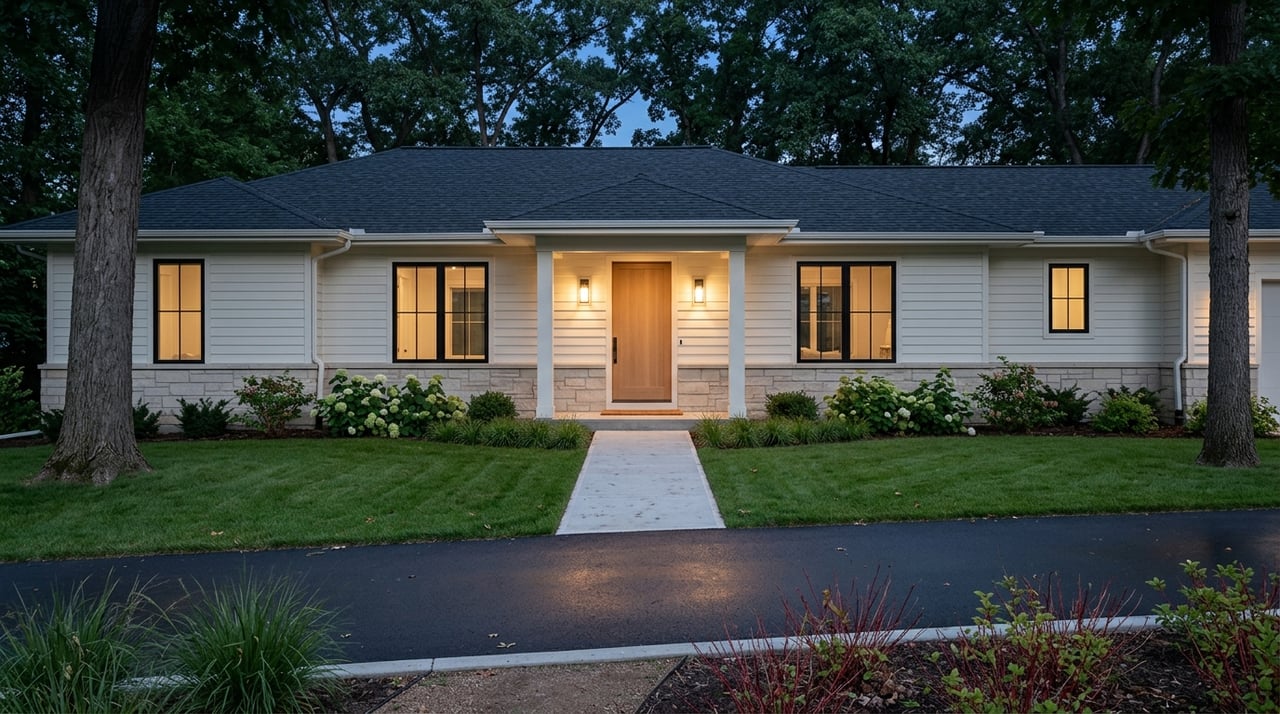
Experience the Lake Monona Shoreline Lifestyle
If you picture lake living as something you only enjoy on weekends, Lake Monona may change your mind. Along this shoreline, the lake becomes part of your regular routine, whether that means a morning walk, a bike ride after work, or an easy trip downtown for dinner or errands. If you are thinking about buying near the water in Madison, understanding how the shoreline path works can help you see what daily life here really feels like. Let’s dive in.
The Lake Monona shoreline path is more than a scenic edge of the city. City planning materials describe it as part of a larger recreation and mobility network that connects parks, trails, neighborhoods, and downtown Madison. That matters because it shapes how you move through the area, not just how it looks on a map.
The core network includes the 11-mile Lake Monona Bike Loop and the 3-mile Monona Bay Loop. The city notes that parts of the route use city streets, while the waterfront sections are the scenic highlight for both recreation and commuting. In other words, this is not a single uninterrupted off-street path from end to end, but it is a well-used lakefront corridor with everyday value.
A home near the Lake Monona shoreline path can make outdoor time easier to fit into your day. Instead of planning around the lake, you are closer to stepping out for a walk, hopping on a bike, or finding a quiet place to unwind by the water. That convenience is a big part of the lifestyle appeal.
The shoreline is lined with parks and public spaces that give the route its character. City materials identify stops including Law Park, BB Clarke Beach, Morrison Park, Yahara Place Park, Schuetzen Park, Olbrich Park, Schluter Beach, Tonyawatha Park, Winnequah Park, Frost Woods Beach, Paunack Park, Ester Beach Park, Turville Park, Olin Park, Bernie’s Beach Park, and Brittingham Park. Together, they create a chain of places where the lake feels accessible and woven into everyday life.
Olin Park is one of the most practical stops along Lake Monona for regular use. The city highlights its downtown views, walking paths, beach, jogging and biking trail, boat launch, and access to the Beltline, Capital City State Trail, Wingra bike trails, and bus routes. It also includes the 1884 pavilion, which is listed as a local historic landmark.
If you want a lakefront setting that supports both recreation and convenience, Olin Park stands out. You can enjoy the shoreline while still staying connected to other parts of Madison. That blend often matters just as much as the view itself.
Turville Point offers a different kind of shoreline experience. The city says it borders Lake Monona, sits a short walk from downtown, and includes 2.3 miles of trails, volunteer-led nature walks, and seasonal cross-country ski trails. It feels more natural and less built-up than some of the busier waterfront stops.
There are tradeoffs, though. Turville Point does not have restrooms or drinking water, which gives it more of a conservation-park feel than a full-service beach setting. If you value a quieter place to walk and recharge, that may be part of the appeal.
On the east side, Olbrich Park is one of Madison’s largest lakefront parks. It includes beaches, seasonal biergarten and paddlesports rentals, canoe and kayak launch and storage, and seasonal restrooms at multiple points in the park. It also sits next to Olbrich Botanical Gardens, which adds to the destination feel.
For many buyers, this is where the lifestyle story becomes tangible. You are not just looking at water from a distance. You have practical ways to spend time on or near the lake throughout the warmer months.
Paunack Marsh adds a more ecological stretch to the southeast side of the lake. The city calls it one of the last marshes on Lake Monona and notes that it is part of the bicycle trail circling the lake. That gives this part of the route a different rhythm from the more active waterfront parks.
If you are drawn to nature as much as recreation, this section can feel especially appealing. It adds variety to the shoreline experience and reminds you that Lake Monona living is not one-note.
For some buyers, being near the lake is not enough. You also want to know whether you can actually use it. On Lake Monona, the answer is yes, with a few practical details to keep in mind.
Madison Parks lists launch sites at Law, Olbrich, and Olin. A Lake Access Permit is required year-round for launches, and piers are typically available from spring through mid-fall. That means lake access is real and functional, but it comes with rules and seasonality that are worth understanding before you buy.
The beach experience here is public and park-oriented, not resort-style. The city notes that Olin and Olbrich do not have lifeguards, and Public Health Madison & Dane County monitors beach water quality from Memorial Day to Labor Day. For many residents, that is part of the charm: the lake feels woven into city life rather than packaged as a private amenity.
One of the strongest advantages of the Lake Monona corridor is how close it keeps you to downtown. The City of Madison’s Downtown page points to restaurants, shopping, the Dane County Farmers’ Market, Monona Terrace, museums, parking, and visitor resources. According to the Downtown Area Plan, the downtown core spans roughly 700 acres between Park and Blair Streets and Lakes Mendota and Monona, with about 34,000 residents and more than 60,000 jobs.
That proximity changes how useful the shoreline feels. You can enjoy the lake without giving up access to errands, events, or workday convenience. For many buyers, that balance is what makes this part of Madison stand out.
Law Park is the most downtown-facing part of the corridor. The city says it has more than 2,500 feet of shoreline, sits three blocks from Capitol Square, and connects most directly at its east and west ends, with a midpoint connection at Monona Terrace. That puts the lake surprisingly close to the civic and cultural heart of Madison.
At the same time, the city notes that the lakeshore is still physically separated from the greater downtown core by highway, rail, and elevation differences. So while access is strong, the connection is still evolving. That is an important detail if you are imagining a seamless waterfront promenade throughout this area.
Monona Terrace plays an important role in the Lake Monona lifestyle story. In city materials, it functions as a midpoint connection to Law Park and regularly hosts lake-view events. Its rooftop programming includes the Lake Vista Café and public concerts overlooking Lake Monona and downtown Madison.
For buyers, this reinforces the idea that the shoreline supports both daily routines and special occasions. You can have a casual weekday walk by the water and still be close to civic spaces that anchor Madison’s public life.
If you are trying to reduce drive time or add more active transportation to your week, the shoreline corridor offers useful options. Metro Transit says Monona is served by fixed routes G, L, and 38, along with paratransit for eligible riders within three-quarters of a mile of bus stops. That gives some households more than one way to move through the area.
Bike access is also part of the draw. The Greater Madison MPO notes that Capital City State Trail commuters can apply for a free commuter pass. For buyers who want a location that supports both recreation and practical commuting, that detail adds another layer of value.
It is also important to understand that the Lake Monona shoreline is not static. The area is in the middle of a long-term public effort to improve access, strengthen connections, and reshape parts of the waterfront. If you buy here, you are buying into a corridor that is still being rebuilt and reconnected.
Madison LakeWay covers 1.7 miles of shoreline and 17 acres. The city says the project is intended to create a more coherent public lakefront with better multimodal access and stronger links between downtown, adjacent neighborhoods, and the lake. The broader vision also includes green infrastructure, gathering spaces, and shoreline habitat improvements.
The city approved the Madison LakeWay master plan on April 16, 2024, began first-phase construction in 2025, and is planning public art installation around 2027. That means change is not theoretical. It is already underway.
As of the city’s June 22, 2026 John Nolen Drive update, work is reconstructing southbound John Nolen Drive and three causeway bridges. North Shore Drive is fully closed between South Bedford Street and John Nolen Drive, and the Capital City Trail remains open along the causeway even as Stage 3 is expected to detour trail users around Monona Bay. The city says no additional trail disruptions are anticipated until July 2026, though schedules can change.
For buyers, this is the classic short-term and long-term tradeoff. You may need to navigate temporary detours now, but the public investment points to a more connected shoreline over time. It is wise to look at both the current experience and the direction of the corridor.
The biggest takeaway is simple: a Lake Monona address offers more than a nice backdrop. It places you in a lifestyle corridor where walking, biking, launching a kayak, meeting friends downtown, or enjoying a daily water view can become part of your routine. That repeatable ease is what gives the area its staying power.
At the same time, it helps to buy with clear expectations. The loop is not entirely off-street, some quieter parks have limited amenities, and construction can affect how certain segments feel right now. When you understand those details, you can make a more confident decision about which part of the shoreline fits your goals.
If you are weighing lakefront or lake-adjacent living in Madison, local guidance matters. The right fit often comes down to how you want to use the lake, how close you want to be to downtown, and how comfortable you are with a corridor that is still evolving. For a tailored conversation about Lake Monona homes and lifestyle-driven opportunities in Madison, connect with Susan Sutton.



Don't navigate the world of real estate alone. Let Susan Sutton be your advocate on the path to finding your dream home or selling your current property. Susan is dedicated to making your real estate journey seamless and rewarding.