
Lake Monona Home Selling Tips for Timing and Presentation
What if the difference between a strong Lake Monona sale and a missed opportunity comes down to when you list and how you present the home? If you are thinking about selling, timing is not just about picking a date on the calendar. On Lake Monona, you are also working with seasonal views, open water, shoreline appeal, and the pace of the Madison market. This guide will help you think through both clocks so you can prepare with confidence and launch with purpose. Let’s dive in.
Selling near Lake Monona means you are balancing two forces at once. First, there is the broader Madison housing market. Second, there is the lake itself, which looks and feels very different depending on the time of year.
Mid-2026 market data suggests Madison remains competitive. Zillow reports an average home value of $435,128, homes going pending in about 7 days, and 61.2% of sales above list price. Redfin reports a median sale price of $440,000 and about 41 days on market, while Realtor.com says homes are selling for about asking on average. These numbers are not directly interchangeable, but together they point to the same takeaway: pricing and presentation still carry real weight.
National timing research continues to favor spring. Zillow’s 2026 analysis found that homes listed in the last two weeks of May sold for 1.7% more nationwide, while Realtor.com’s 2026 report identified the week of April 12 through 18 as the best week to sell, with 1.1% higher prices, 17.7% more views, and 9 fewer days on market compared with January.
For you as a Lake Monona seller, the lesson is not that one exact week is magic. The more useful takeaway is that spring often rewards sellers who are already ready. If your home is photo-ready, permit-ready, and priced to compete before peak attention arrives, you are in a stronger position.
If you wait until the weather feels perfect, you may already be behind. Waterfront homes often need more preparation than a typical listing because the outside spaces matter so much. Shoreline cleanup, dock readiness, exterior touch-ups, and staging decisions can all take time.
A smoother plan is to begin several months in advance. That gives you room to make decisions without rushing, especially if any repairs or regulated work need to be completed before your home goes live.
Lake Monona has its own rhythm, and buyers notice it right away. Madison climate normals show average highs reaching 78.6°F in June, 82.1°F in July, and 79.9°F in August, with zero average snowfall during those months. That warmer stretch naturally supports the season when the lake shows at its best.
The timing of ice-out matters too. The Wisconsin State Climatology Office tracks Lake Monona ice cover, which averages 103 days. In 2025 to 2026, the lake opened on March 11, and in 2024 to 2025, it opened on March 15. Once the ice clears, open-water views, dock photos, and shoreline shots become much more persuasive.
Lake homes are not only about square footage. Buyers are also responding to views, access, outdoor living, and how the property connects to the water. That is easier to communicate when the lake is visibly active and inviting.
Public Health Madison & Dane County tests beach water from Memorial Day to Labor Day. Madison Parks also notes that most piers are available from spring through mid-fall, with seasonal installation and removal depending on weather and lake conditions. That seasonal pattern is helpful because it tells you when the broader lake environment feels most usable and visually compelling.
For many Lake Monona properties, the strongest listing window may begin after ice-out and continue through the warmer months, especially when the shoreline, outdoor seating areas, and any pier or dock features are looking their best. Spring can bring the benefit of market momentum, while early summer can add stronger lake visuals.
That does not mean you should always wait until midsummer. In a competitive Madison market, a well-prepared spring listing can capture demand while also benefiting from improving lake conditions. The right answer depends on when your home can be shown in its best finished condition.
When buyers shop for homes, visuals lead the experience. In the National Association of Realtors 2025 survey, 83% of buyers said photos were useful, 79% valued detailed property information, 57% wanted floor plans, 41% wanted virtual tours, 30% wanted interactive maps, and 29% wanted videos.
That means your listing package should be built around strong media, not treated as an afterthought. For a Lake Monona home, a polished visual plan can help buyers understand both the house and the setting before they ever schedule a showing.
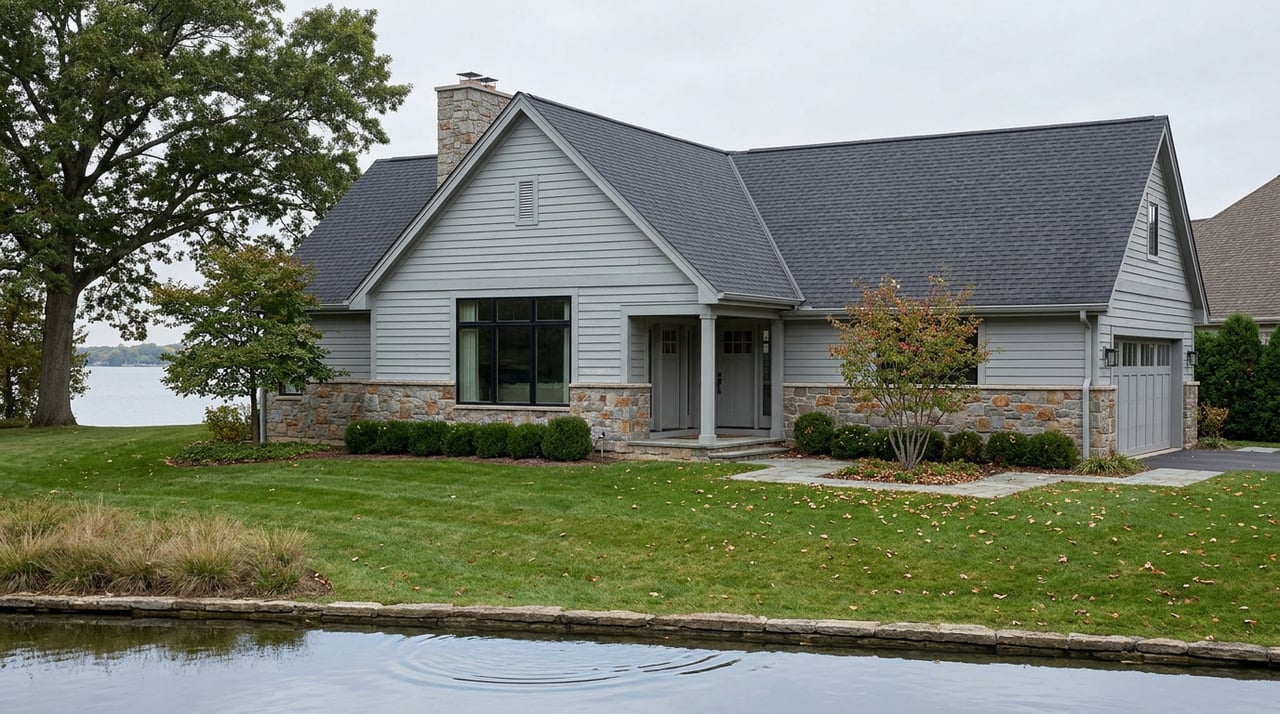
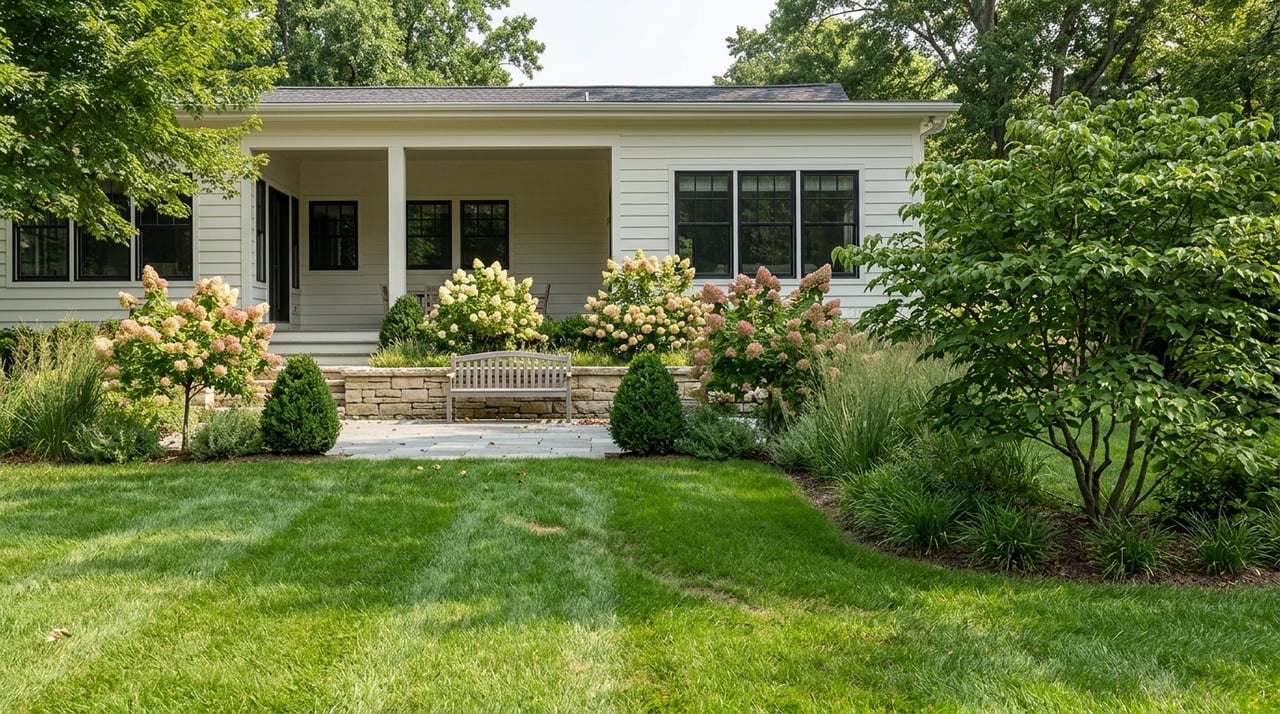
For waterfront and lake-oriented homes, the most useful images are often the ones that quickly answer basic questions. Buyers want to know what the home looks like from the street, what the main living spaces feel like, and how directly the home relates to the lake.
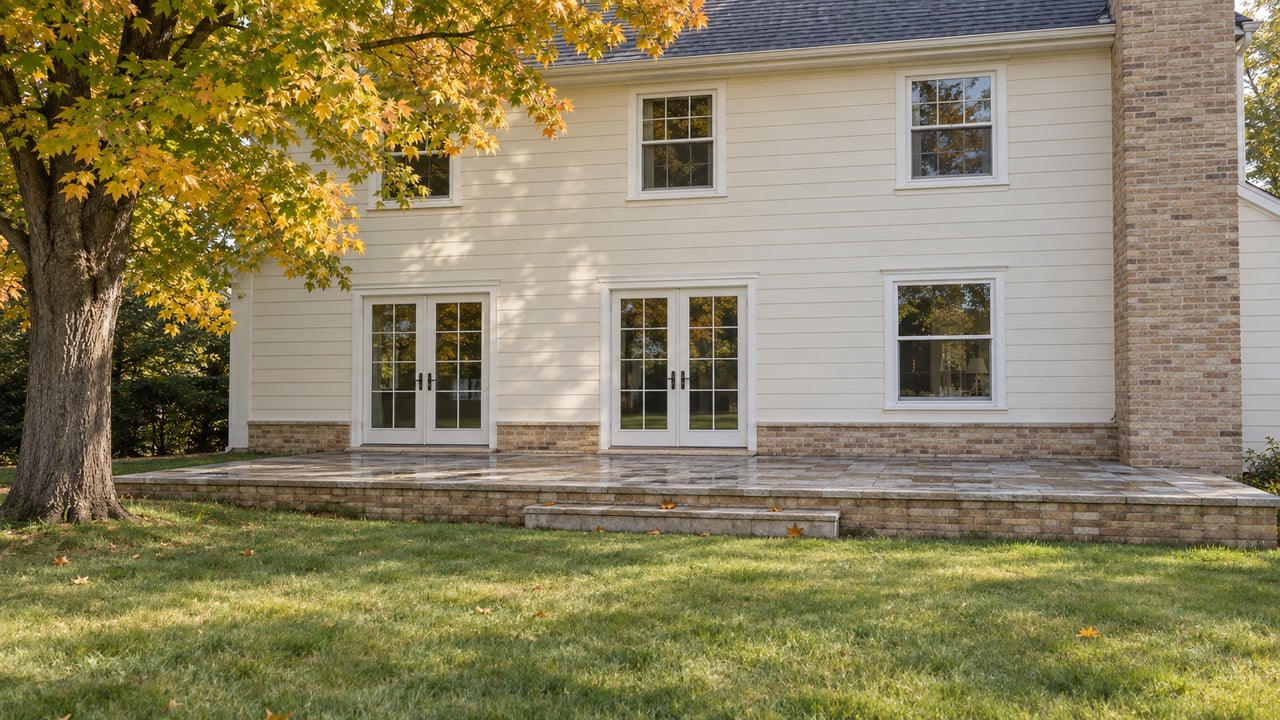
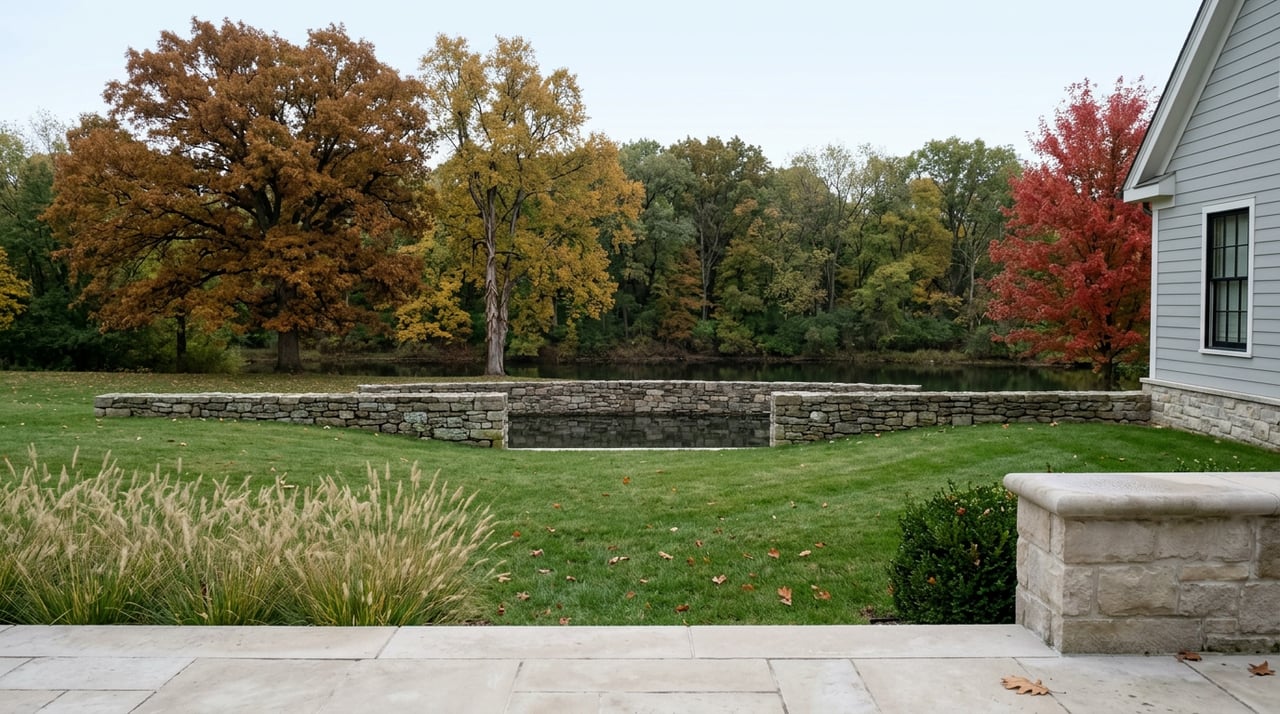
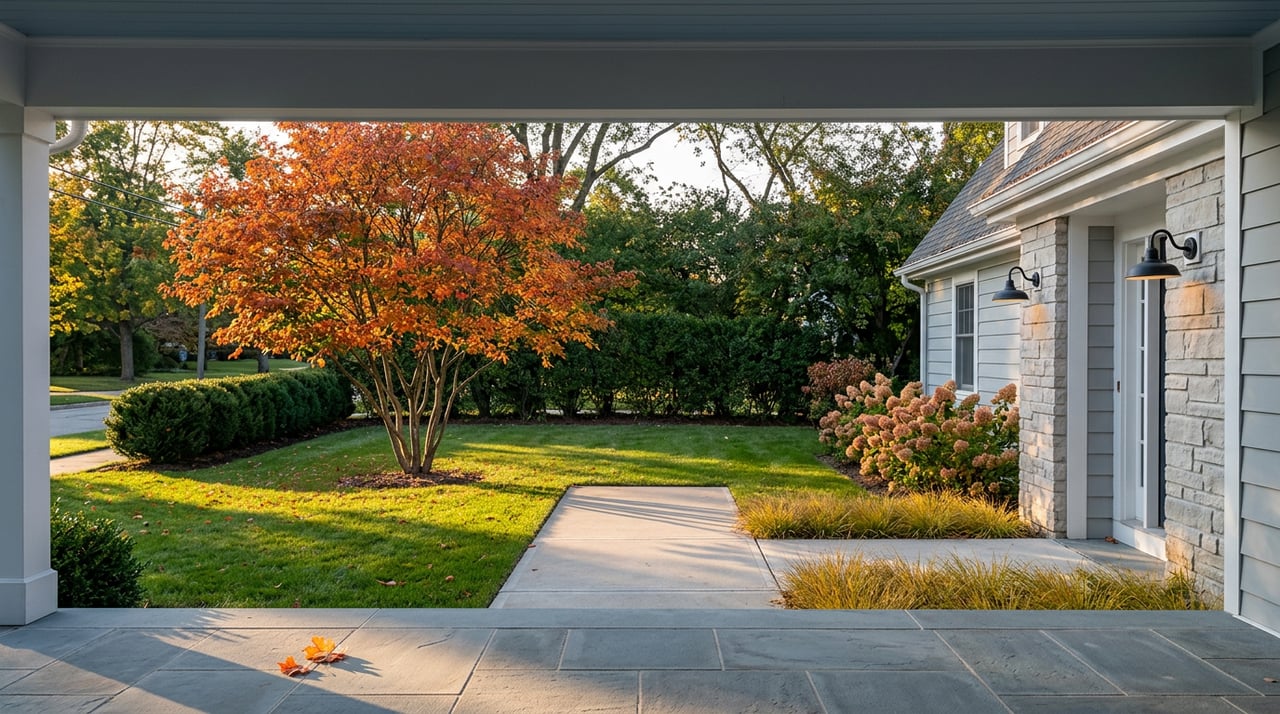
Your most important images will often include:
These images help buyers understand the full experience of the property. They also support the lifestyle value that often drives interest in Lake Monona homes.
Photos get attention, but they work even better when paired with context. A floor plan helps buyers understand flow, room relationships, and how windows or gathering spaces connect to the view. A virtual tour can also help out-of-area or time-sensitive buyers get a fuller sense of the home.
For sellers working with Susan Sutton Homes, this type of presentation aligns with a more concierge-level approach. High-quality media, thoughtful staging, and careful sequencing can make the listing feel more complete from day one.
Staging helps buyers focus on the home instead of the belongings in it. According to NAR’s 2025 staging report, 83% of buyers’ agents said staging makes it easier for buyers to visualize the property as a future home. Another 17% said staging produced a 1% to 5% increase in the dollar value offered.
On Lake Monona, staging can be especially effective because some of the most valuable features are subtle. A view corridor, a terrace, a window wall, or the way a sitting area faces the water may not stand out if the room feels crowded or distracting.
You do not need to over-style every room. In many cases, modest staging works best because it allows the eye to rest and keeps attention on natural light, layout, and views.
Focus on:
Public descriptions of nearby places like Olin Park and Turville Point emphasize scenic views, trails, and a strong connection to the lake. That is a useful clue for sellers. Buyers often respond to clear sightlines, usable outdoor space, and a strong sense of place.
A polished listing is not only about beauty. It is also about clarity. If your property’s appeal connects to boating or public lake use, buyers may have practical questions about nearby access and how the lake is used.
Madison Parks requires a Lake Access Permit year-round at Lake Monona launch sites such as Law, Olbrich, and Olin. This is worth understanding before you list, especially if you expect buyers to ask about ease of access, recreation, or daily convenience.
The City of Madison’s Lake Monona waterfront work also emphasizes shoreline improvements, bicycle and pedestrian connections, viewpoints, and stronger physical and visual access to the lake. That supports a simple but important truth: buyers may be evaluating the broader lake setting as much as the property itself.
One of the biggest mistakes sellers can make is leaving waterfront work unfinished right before listing. Wisconsin DNR notes that pier, dock, and wharf work, shoreline erosion control structures, and mechanized vegetation clearing or dredging may require permits. Projects below the ordinary high water mark are regulated.
The City of Monona also notes that waterfront properties may be subject to FEMA, DNR, and city floodplain and shoreline zoning codes. Even if your home is in Madison rather than Monona, the broader takeaway is useful: waterfront improvements often come with added rules and should be checked early.
The City of Madison says very few homes fall within the FEMA- and DNR-defined 100-year floodplain because of local zoning, but filling or development in flood-prone areas still needs to follow city, DNR, and federal processes. In practical terms, that means rushed shoreline changes just before listing are usually not the best move.
A better strategy is to complete any needed shoreline, drainage, or stabilization work ahead of time, keep the documentation, and then market the finished result. Buyers tend to respond better to completed, easy-to-understand improvements than to projects that still need explanation.
If you want to time your sale well, think of the process as a sequence instead of a single list date. Start by evaluating what the home needs to show its best, both inside and outside. Then work backward from the season when your views, shoreline, and outdoor spaces are most persuasive.
A simple planning framework looks like this:
That kind of preparation fits the Lake Monona market well. In a fast-moving Madison environment, readiness often matters just as much as timing.
If you are thinking about selling on or near Lake Monona, the goal is not just to get on the market. It is to show buyers the home, the setting, and the lifestyle in the clearest possible way. When timing and presentation work together, your home has a much better chance to stand out for the right reasons.
If you want a thoughtful, data-informed plan for timing, pricing, and presentation, Susan Sutton can help you build a customized strategy for your Lake Monona sale.



Don't navigate the world of real estate alone. Let Susan Sutton be your advocate on the path to finding your dream home or selling your current property. Susan is dedicated to making your real estate journey seamless and rewarding.