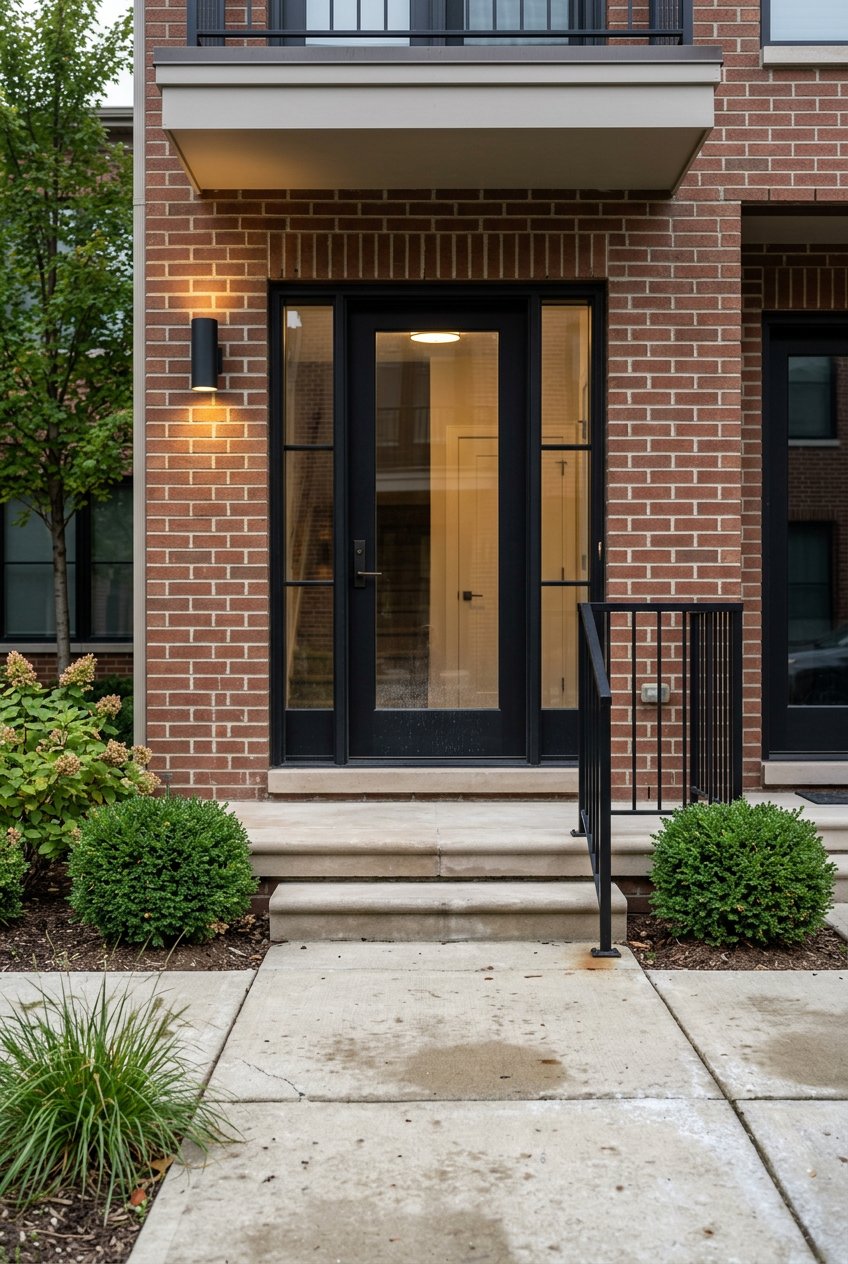
Choosing Between a Lake Monona Condo and House
Are you torn between a low‑maintenance condo and the freedom of a single‑family home on Lake Monona? You are not alone. The right choice comes down to how you want to live, what you want to maintain, and how local rules and costs affect everyday life on the water. In this guide, you will learn the key trade‑offs, real‑world costs, and the steps to make a confident decision. Let’s dive in.
Lake Monona carries a clear waterfront premium. Across Dane County, condos typically sell for less than single‑family homes, and true on‑lake properties trade higher than near‑lake options. That means you will see a wide range of prices around the shoreline.
Recent neighborhood activity shows near‑lake cottages and infill homes often selling in the roughly 300,000 to 600,000 range, while well‑located waterfront houses and townhomes can reach several hundred thousand to well over one million depending on frontage, view, and finish. In 2025, one lakefront townhome with shared slip access sold around 900,000. The monthly condo fee for that community was about 550 and covered exterior maintenance, common‑area insurance, snow removal, and reserves. This is a good example of how condo fees package many lakefront costs into one line item.
If you are weighing lake access against budget, remember that condos often provide a lower entry price and bundled maintenance, while single‑family homes offer maximum control and privacy at a higher total carrying cost.
Condos shift much of the exterior work to the association. Common inclusions are exterior and common‑area insurance, grounds care, snow removal, trash, and contributions to reserves. Ask for the current budget, a reserve study, and the three most recent sets of meeting minutes so you can see planned projects and any history of special assessments.
Pros you may value:
Trade‑offs to expect:
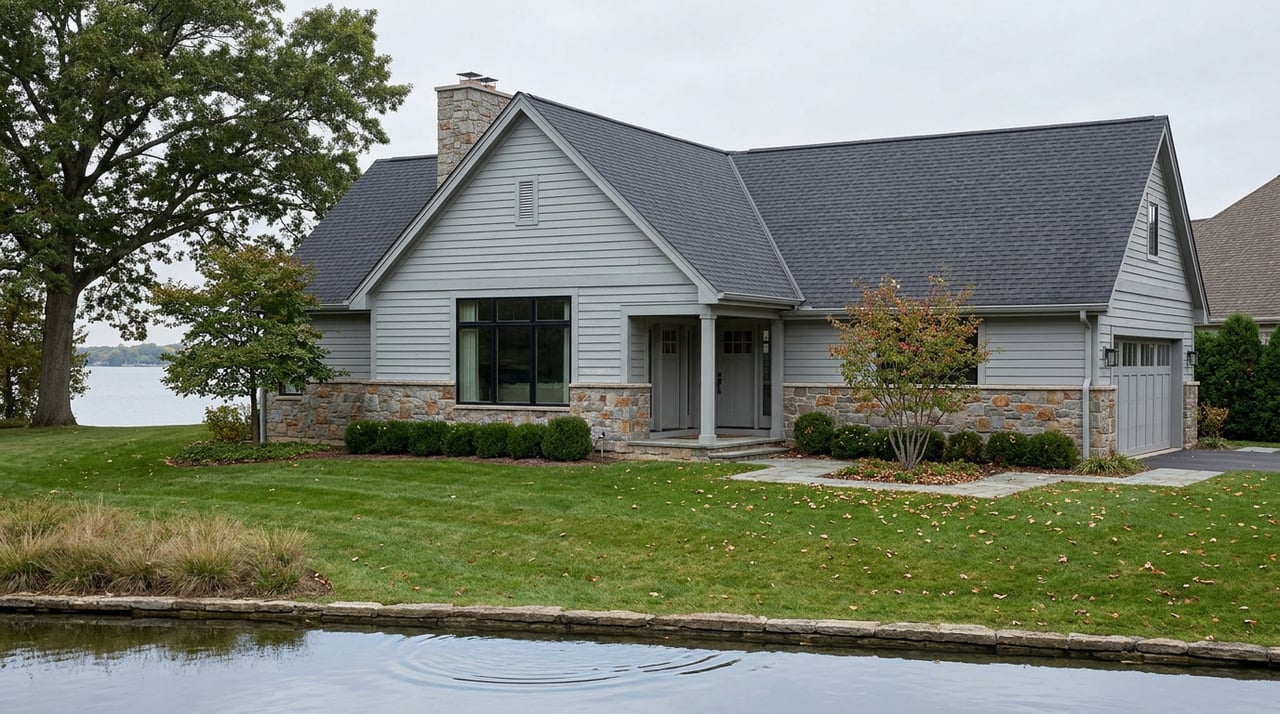
With a house, you control the property and the shoreline features, and you carry the full responsibility that comes with them. You will manage the yard, snow, structure, and any private dock or seawall, plus sewer or septic maintenance if applicable.
Waterfront‑specific costs can be significant. Building or replacing a dock can range from several thousand to tens of thousands of dollars depending on system type and engineering. Review typical ranges in this dock cost overview. Seawall or shoreline protection work can also vary widely. These are not annual expenses, but they can be large and should be part of your long‑term budget.
Wisconsin shoreland zoning applies within set distances of a lake’s ordinary high‑water mark and regulates items like setbacks, vegetative buffers, and some shoreline work. Local governments implement these rules. Get oriented with the Department of Natural Resources overview on shoreland zoning program management.
Ownership of docks and slips is not always simple in condo settings. Wisconsin law limits how riparian rights may be conveyed, which matters when an association allocates slips or docking privileges. Review Wisconsin Statute § 30.133 on riparian rights transfer restrictions and confirm how any slip rights are held.
Many projects, such as riprap, permanent docks, and in‑water repairs, require state and local permits. Before you buy, ask the seller for permits, as‑builts, and any recorded shoreline easements. The DNR’s shoreline care page offers a helpful primer on what work needs permits.
If you plan to host, the City of Madison requires permits, taxes, and in many cases, primary‑residence status for short‑term rentals. Review the city’s Tourist Rooming House requirements and permitting steps in the official STR regulations. Even if the city allows it, your condo documents may be stricter, so confirm both.
Lenders will require flood insurance for properties in Special Flood Hazard Areas, and flood‑zone designations may affect premiums. Check any address on FEMA’s Flood Map Service Center and get an insurance quote early.
Waterfront owners often need separate flood coverage through the National Flood Insurance Program or a private carrier. Rates vary by elevation and structure. The Insurance Information Institute explains common coverage considerations for changing life situations and property types in this insurance overview. Clarify whether your use is primary or second‑home, since that can affect underwriting.
Taxes scale with assessed value. Waterfront properties often carry higher assessments than similar homes off the water. You can look up parcel tax history and assessments via the Dane County Treasurer’s property tax portal.
Use this list to build an apples‑to‑apples budget:
Waterfront is a specialty market. Condos often attract a wider pool of buyers, including downsizers and lock‑and‑leave owners. Single‑family waterfront appeals to buyers seeking privacy and full control of shoreline amenities. In both cases, clear maintenance records help resale.
For houses, deferred dock or seawall work can reduce buyer confidence and affect lending. For condos, underfunded reserves or upcoming capital projects can trigger special assessments that impact value and time on market. Reviewing reserve studies, minutes, and shoreline permits now protects you later.
Choosing between a Lake Monona condo and a single‑family home is a balance of lifestyle, long‑range costs, and what local rules allow. If you want a clear, side‑by‑side plan tailored to your goals, connect with Susan Sutton for a local consultation.


Don't navigate the world of real estate alone. Let Susan Sutton be your advocate on the path to finding your dream home or selling your current property. Susan is dedicated to making your real estate journey seamless and rewarding.