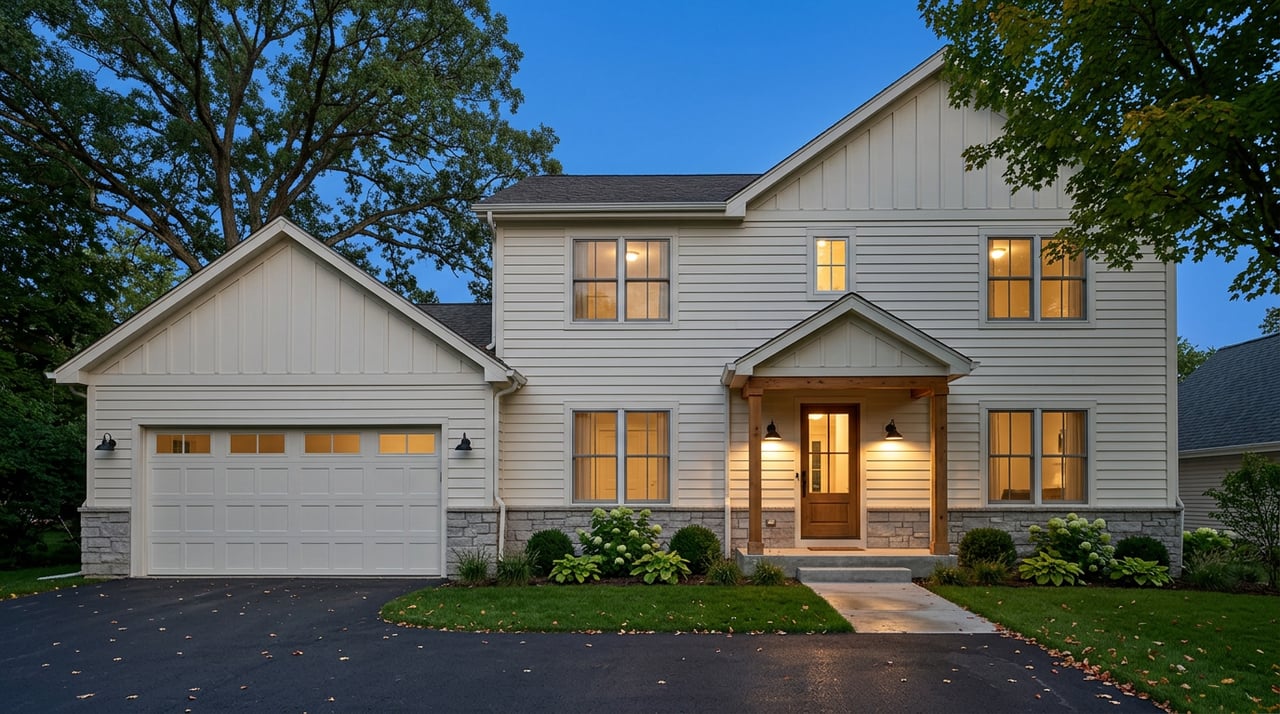
Lake Kegonsa Second-Home Guide for Weekend Buyers
Ever dreamed of a low-stress lake escape close to Madison but with a quieter vibe than the city lakes? If you are eyeing a second home for long weekends, summer gatherings, or light short-term renting, Lake Kegonsa near Stoughton might be on your shortlist. In this guide, you will get clear facts on the lake itself, access and recreation, short-term rental rules, and what ownership looks like when you are not here full time. Let’s dive in.
Lake Kegonsa is part of the Yahara chain and sits just southeast of Madison near Stoughton. The lake covers about 3,200 acres, reaches 31–32 feet at its deepest, averages 16–17 feet in depth, and has roughly 9–9.6 miles of shoreline. You can confirm these quick stats in the Wisconsin DNR lake map resource. See the DNR’s lake map and data for reference in the official Lake Kegonsa fact sheet.
From central Madison, you are typically 25–40 minutes by car, depending on traffic and your starting point. From Milwaukee, plan on about 1.5–2 hours. If precise weekend timing matters to you, check your route on your preferred maps app before planning arrivals.
Public access is strong for a lake of this size. You will find a swim beach, campground, trails, and an improved launch at Lake Kegonsa State Park. Dane County operates important launch sites and waterfront parks as well, including Fish Camp and LaFollette. If you plan to trailer a boat, review the Dane County boat launch list and permits before you go.
On the water, you will see pontoons, fishing boats, kayaks, paddleboards, and occasional personal watercraft. Fishing is popular for bass, panfish, walleye, and pike. The Lower Yahara River Trail links public spaces around the lake, creating a relaxed, day-use feel that many second-home owners appreciate.
Shoreline neighborhoods around Kegonsa offer a mix of older seasonal cottages, mid-century homes that have been expanded, and newer rebuilds. Many lots have narrower frontages than you might expect, which shapes home footprints and outdoor space. Over the last few decades, a number of properties transitioned from weekend cottages to year-round residences.
If you prefer a turnkey, updated home, you can find it, though inventory is often limited. If you enjoy renovating, older cottages can be compelling. Always factor in shoreland rules before assuming what you can change on a given lot.
Wisconsin’s shoreland standards guide what can be built or expanded near navigable water. A common reference point is the 75-foot setback for principal structures from the ordinary high-water mark. Minimum lot widths and areas differ for sewered versus unsewered parcels, and there are impervious surface limits in the shoreland zone. Local rules administered by the county, towns, or cities can be equal or more restrictive. Review the DNR overview of shoreland standards in the Shoreland Zoning program, and verify the specific parcel’s zoning with the local authority before you write an offer.
If part of your plan includes short-term renting, build your compliance path before you buy. In Dane County, most short-term rentals need a Tourist Rooming House (TRH) license from Public Health Madison & Dane County, with inspections each license year. Start with the PHMDC TRH guidance to understand health and safety requirements.
Local town and city rules add another layer:
In addition to zoning and permits, you will need to register for applicable room and sales taxes and ensure your insurance policy allows short-term renting. Plan an early call with the town or city clerk and PHMDC to confirm the steps for your specific address.
Kegonsa is part of a managed lake system that experiences nutrient cycles, including periodic summer blooms of cyanobacteria. These conditions can lead to temporary beach closures or swimming advisories. For seasonal context, review the Clean Lakes Alliance’s Yahara guide and follow current summer bulletins. See the Clean Lakes Alliance Lake Guide for an overview of lake management topics.
You can expect standard Wisconsin boating laws, with local no-wake areas near beaches, inlets, and narrow channels. Some launches require a state park admission or county launch permit. If you have guests using your launch, share clear directions and list which permits they will need. The county’s boat launch overview is a helpful planning link.
Owning on Kegonsa is rewarding, and your maintenance plan will keep it that way. Here are the big items to think through before you buy.
Most owners remove boat lifts and often dock sections before freeze-up to avoid ice damage, then schedule spring installation. If a pier is already in place, verify whether it is a legacy or exempt pier and what is allowed for any changes. The DNR explains standards and exemptions in the Pier FAQ.
Plan on engine winterization, lift removal, and either indoor or outdoor storage each fall. Local providers fill fast in October and November, so book early if you are not here during the week. In spring, many owners schedule de-winterizing and delivery to the property.
If the property is not on municipal sewer and water, confirm the septic system’s capacity and pumping history and ask for well and water test records. A simple schedule for pump-outs and inspections protects both the lake and your investment. Build contact lists for local sanitarians and service pros.
If you will be away for long stretches, winterize plumbing, set safe heat levels, and arrange snow removal. Consider a local caretaker or property manager for periodic check-ins and to serve as your emergency contact. A short checklist near the main shut-offs can prevent surprises.
If you will host, post your local rules in the listing and inside the home. Include parking, quiet hours, trash day, boat trailer storage, and a single emergency contact. Pleasant Springs, as an example, expects an owner or designated agent who can respond quickly for short stays, so build that availability into your plan.
You may be a strong match for Kegonsa if you value these qualities:
If that list sounds like you, it may be time to explore active listings and walk a few shorelines.
Ready to talk through timing, neighborhoods, and a smart purchase plan for a second home on Kegonsa or elsewhere in Dane County? Reach out to Susan Sutton for a conversation tailored to your goals.



Don't navigate the world of real estate alone. Let Susan Sutton be your advocate on the path to finding your dream home or selling your current property. Susan is dedicated to making your real estate journey seamless and rewarding.