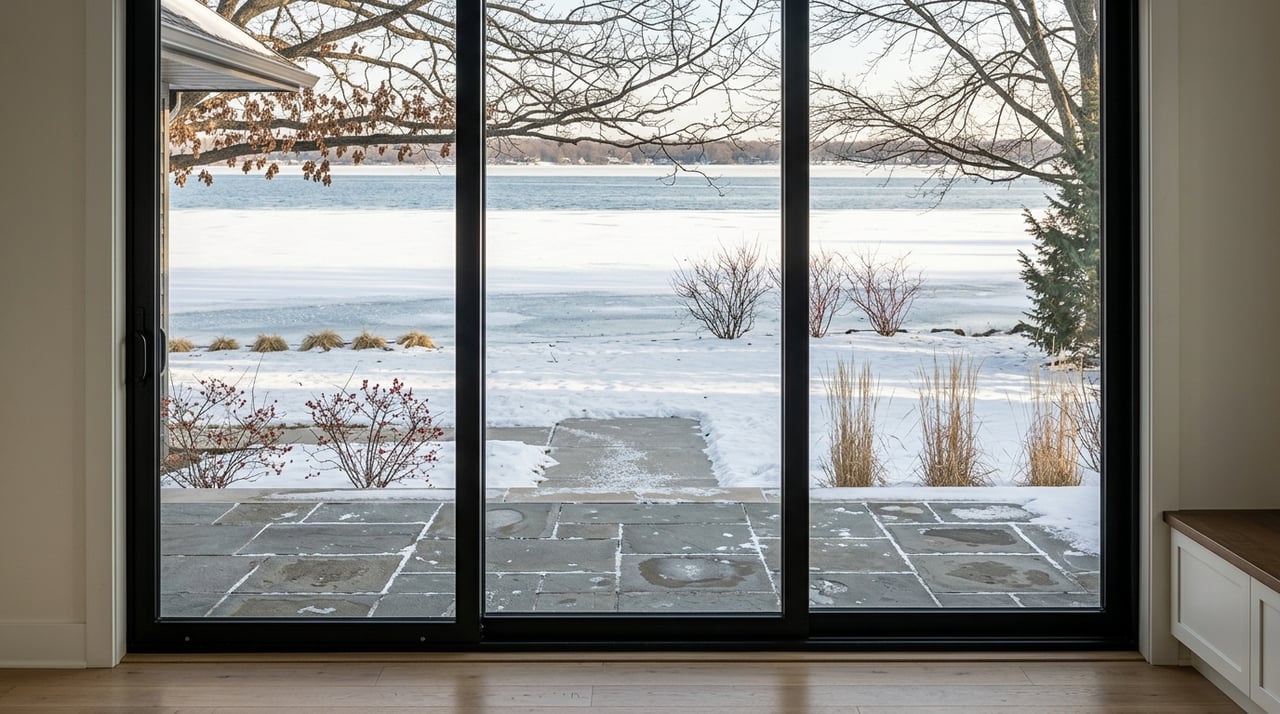
Lake Mendota Winter Lifestyle: A Guide for Owners
Winter on Lake Mendota can feel magical, but it also asks more of you as a homeowner. One season may bring a long stretch of ice and a steady rhythm of outdoor activity, while the next may look very different. If you own on or near the lake year-round, it helps to know what changes with the weather, what to watch on your property, and how to plan ahead. Let’s dive in.
Lake Mendota does freeze most winters, but the timing is not perfectly predictable. Because it is a large and physically complex lake, the Wisconsin State Climatology Office notes that freeze and open dates are harder to define here than on a smaller lake.
The long ice record for Lake Mendota goes back to 1852. The median freeze date is December 20, the median opening date is April 4, and the median ice-cover duration is 102 days.
That said, recent winters show why flexibility matters. In the 2025-26 winter, the lake froze on January 1 and opened on March 13, for 71 days of ice cover.
Long-term trends also point to shorter and less consistent ice seasons. UW Nelson reports that Lake Mendota now freezes about 15 days later than it did in 1971, and average ice coverage since 2000 has been 82 days, down from 114 days in the 1800s.
If you own on Lake Mendota, winter is no longer something you should treat as a fixed script. Some years will bring a classic long ice season, while others may shift later, open earlier, or vary more from week to week.
That variability affects everything from dock planning to recreation and guest expectations. It also means you should make decisions based on current conditions rather than assumptions from prior winters.
One of the most important facts to remember is simple: there is no 100% safe ice. The Wisconsin DNR says ice strength can vary by location, snow cover, temperature, currents, and other factors, even on the same lake.
The DNR also does not monitor local ice thickness. For current conditions, it recommends checking with local bait shops, fishing clubs, and resorts.
On Lake Mendota, winter recreation can be a major part of the season. UWPD lists common activities such as ice fishing, skating, cross-country skiing, and hiking.
If you head out onto the lake, UWPD recommends a few simple safety measures:
These are small steps, but they can make a meaningful difference in an emergency. For owners, they are also useful reminders when family or guests want to enjoy the lake in winter.
Madison Parks maintains Lake Mendota access sites at:
The city says these sites may be used for iceboats, canoes, kayaks, sailboats, and motorboats. Permits are required year-round, and piers are seasonal, with removal and installation based on weather and lake conditions.
For year-round owners, that seasonal shift changes how the lake functions day to day. Winter access is still part of the lifestyle, but it looks very different from the boating season.
Lake Mendota in winter is more than a frozen surface. In Madison, frozen lakes become shared outdoor spaces, with skating and other seasonal activity drawing people onto the ice, including events tied to the city’s winter traditions.
That gives the season a distinct character. Instead of open water, boat traffic, and dock activity, you may see a broad snow-covered surface and a more park-like shoreline experience.
For many owners, that quieter pattern is part of the appeal. The off-season often feels less boat-centric, with daily activity shifting toward ice-based recreation and seasonal access patterns.
Winter ownership also means planning for access beyond your own household. If you have guests, service providers, or potential buyers visiting, it helps to think ahead about snow, parking, and walking conditions.
In Madison, snow emergencies can be declared when the city needs to plow residential streets, often after three or more inches of snow on the roads. That can affect where people park and how easily they reach your property.
Cold weather can be tough on waterfront improvements. The Wisconsin DNR recommends winterizing piers, docks, and other in-water structures before freezing because heaving ice and ice buildup can dislocate pilings and footings.
If your property uses an aerator or another ice-management device, winter requires extra care. The DNR warns these systems can create unsafe ice conditions for neighbors or the public and may trigger permitting or barricade requirements.
Winter can also affect the shoreline itself. The DNR says frozen lake ice can expand shoreward with great force, and wind- or current-driven ice can scour banks.
That is why shoreline protection matters even when the landscape appears dormant. Preserving shoreline vegetation, keeping runoff away from the lake, and avoiding construction close to the shore are standard preventive measures.
Deicing salt can create problems beyond the driveway. UW Extension says salt can damage trees, shrubs, lawns, and water quality when runoff reaches lakes, ponds, rivers, and wetlands.
A smart winter routine is to shovel or plow first, use salt sparingly, and pay attention to where salt-laden snow will melt. On a lake property, that small choice can have broader effects on the landscape and the water.
The shoreline may get the attention, but the house needs protection too. Winter maintenance should include closing and draining exterior spigots before freezing, watching HVAC performance and insulation, and taking steps to prevent ice dams and frozen pipes.
Frozen pipes and roof leaks are two major preventable winter risks. If a home will be vacant for any period, keeping the interior above 55 degrees can help reduce the chance of cold-weather damage.
Here are a few worthwhile items to review before deep winter sets in:
For year-round owners, these steps support both comfort and property protection. They also help reduce the chance of midwinter surprises.
Some Lake Mendota owners decide to list during the colder months, whether because of timing, relocation, or a life change. Winter can still be a strong selling season, especially since buyers in the market are often motivated and there are generally fewer homes available.
Presentation matters even more at that time of year. Winter showings tend to work best when the driveway and walking paths are clear, the home feels bright and warm, and the seller stays responsive to showing requests.
If your home may be shown during winter, focus on the basics first:
For a Lake Mendota property, winter does not erase lifestyle value. It simply shifts the story from boating season to year-round living, seasonal beauty, and how well the home functions when conditions are at their toughest.
For sellers especially, that is where thoughtful preparation can make a real difference. A calm, well-maintained home sends a strong signal that the property has been cared for in every season.
Whether you are protecting a longtime lake home, preparing for a move, or thinking about the future value of your waterfront property, local guidance matters. For tailored advice on buying or selling around Lake Mendota, connect with Susan Sutton.


Don't navigate the world of real estate alone. Let Susan Sutton be your advocate on the path to finding your dream home or selling your current property. Susan is dedicated to making your real estate journey seamless and rewarding.